These long-billed dowitchers are migrants from the far north, breeding in Alaska and the Arctic. Their long, sensitive bills act like probes, allowing them to detect prey underground without seeing it, often with rapid, piston-like feeding motions. In flight, their flocks move in tight, synchronized patterns, flashing white bellies as a defensive display. Watching them, you can see the speed and precision of their movements, as well as the unique beauty of their collective behavior.
Spent the day at Fir Island Wildlife Reserve practicing handheld wildlife videography—shooting in 4K at 60 fps, 1/120 shutter, no tripod, so the footage is a little wobbly. It’s challenging to keep the camera steady while following eagles, ducks, dowitchers, and other shorebirds, but it’s all part of honing my handheld skills. The overcast light softens detail, but the reel still captures the quiet rhythm of the estuary and the natural movement of the birds.
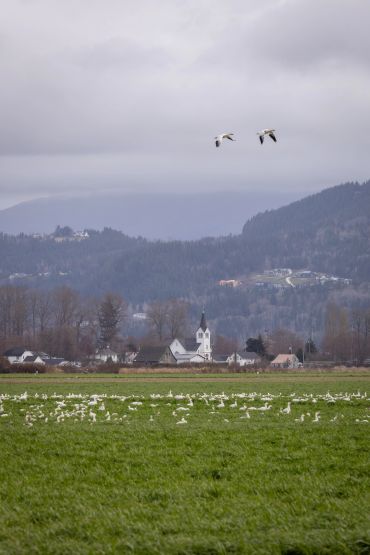
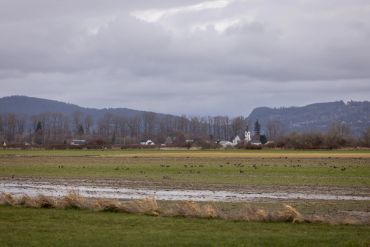
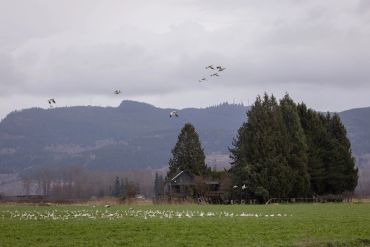
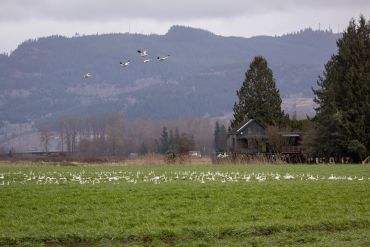
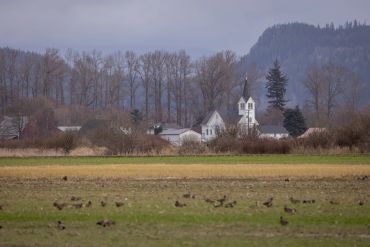
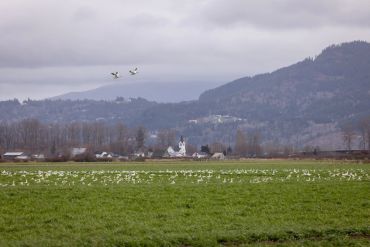
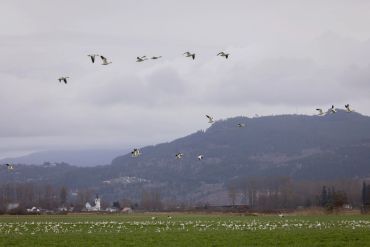
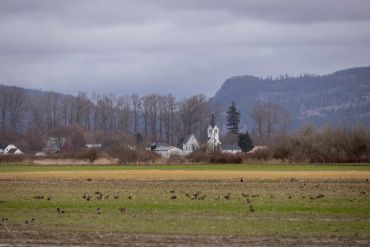
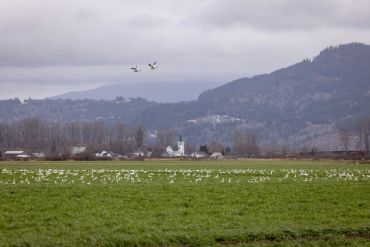
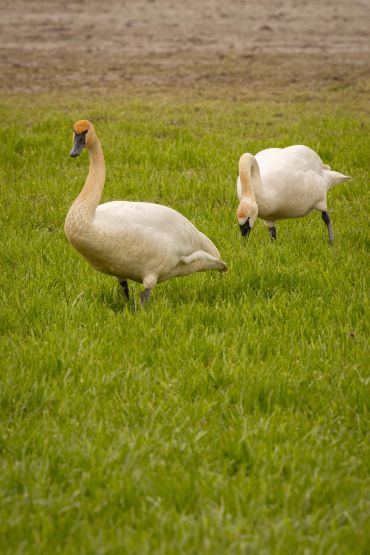
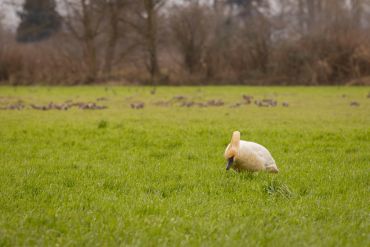
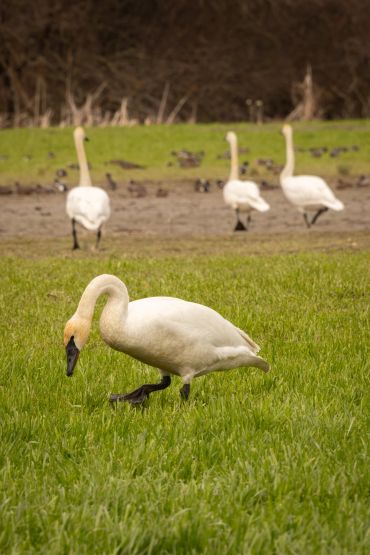
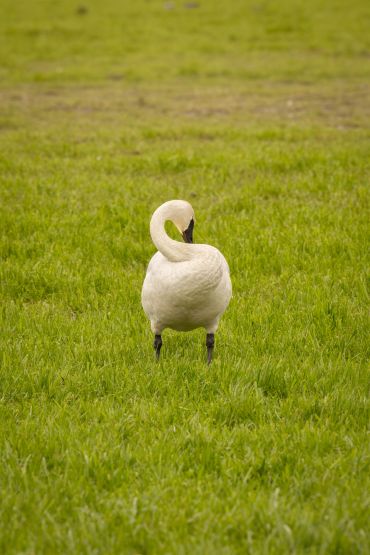
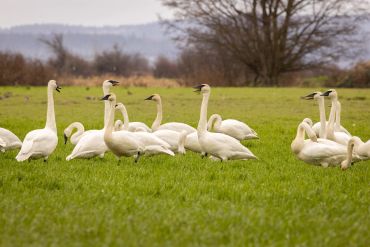
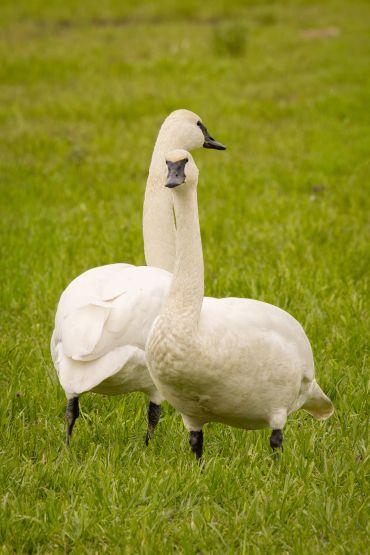
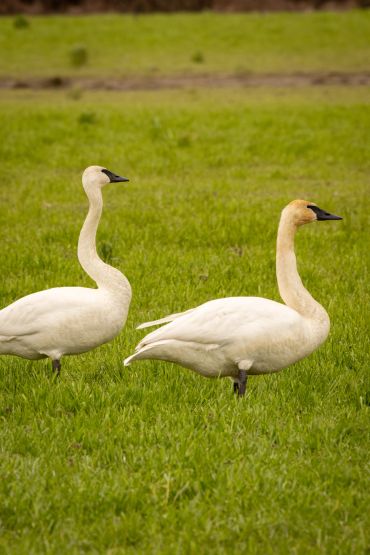
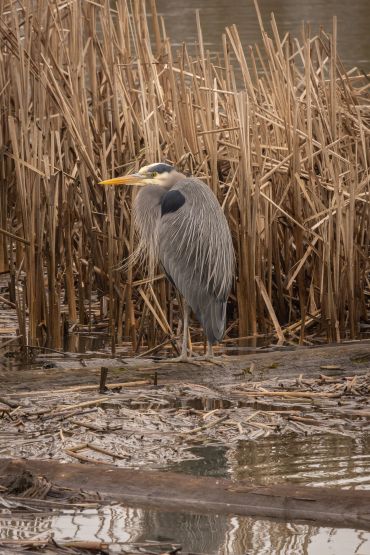
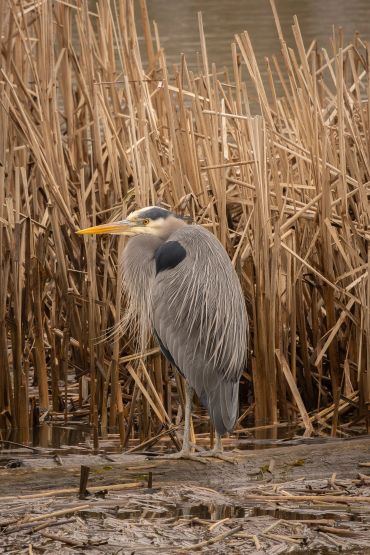
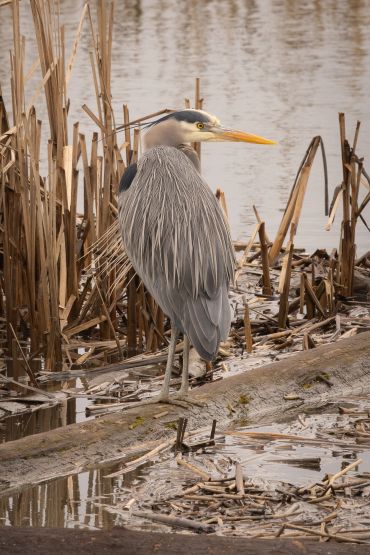
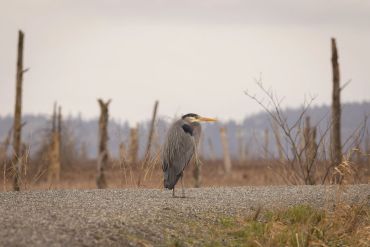
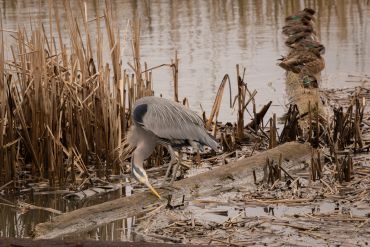
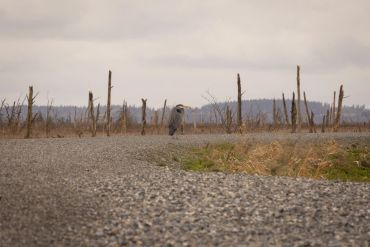
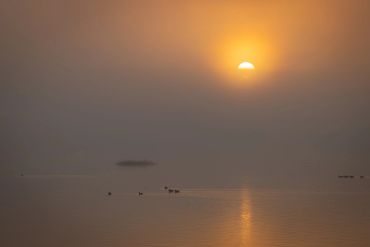
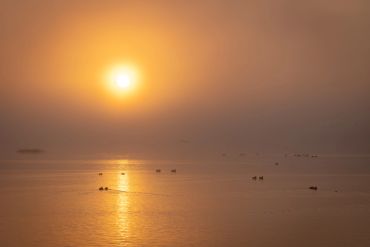
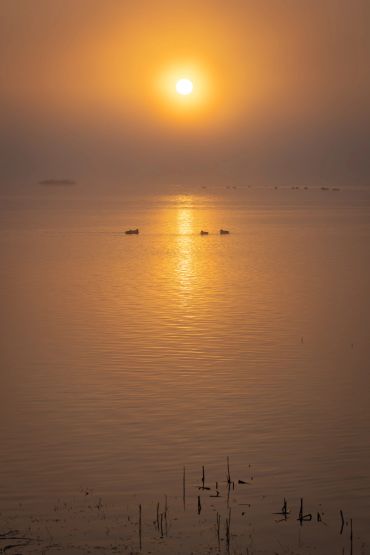
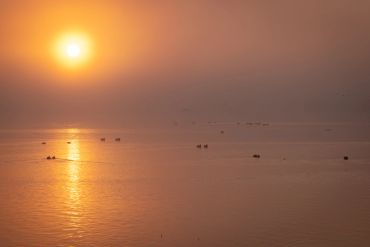
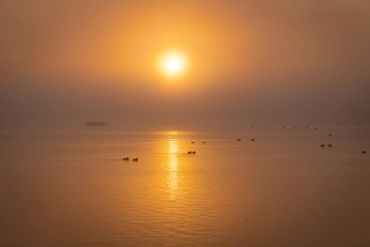
At first light over the Skagit Wildlife Area on Fir Island fog hangs low across the tidal flats as the rising sun filters through the estuary. Trumpeter swans drift through the shallows among scattered flocks of ducks, their calls carrying softly over the marsh. In the distance, a bald eagle and a solitary great blue heron emerge briefly from the mist, while long-billed dowitchers sweep low across the flats. The soundscape belongs to the delta — where wintering and migrating birds keep the estuary alive well before the day fully arrives.
Fir Island, Skagit Valley (2/23/26)
Great Blue Heron & Wiley Slough (2/23/26)
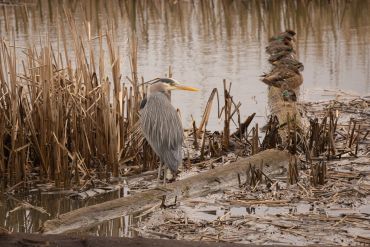
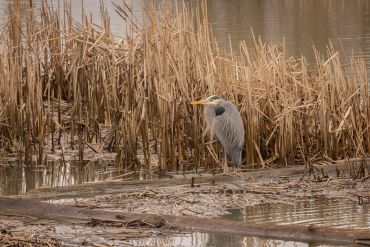
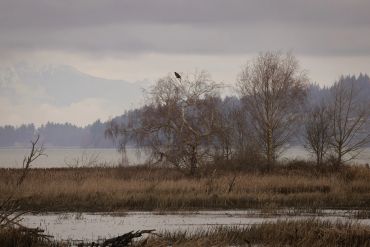
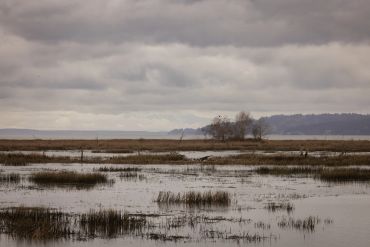
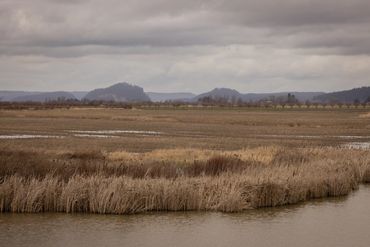
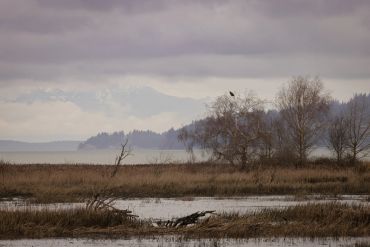
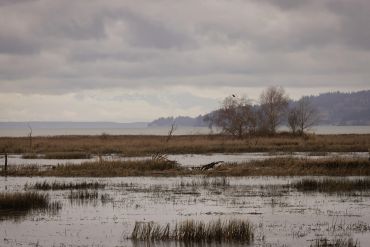
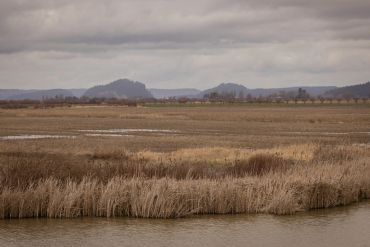
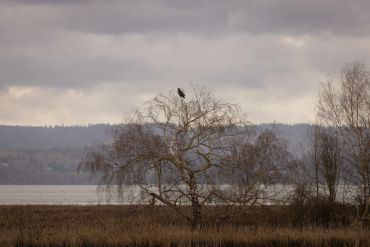
Foggy Sunrise, Fir Island (3/7/26)

Clouded in Light | Pacific Northwest Landscapes
Mount Vernon WA 98274
This website uses cookies.
We use cookies to analyze website traffic and optimize your website experience. By accepting our use of cookies, your data will be aggregated with all other user data.